What Experienced Divers Notice First Underwater
|| ScubaLiveTV || Insights || Actuality || Interviews || TV Web || History || Scuba Diving || Freediving || Video collection || Nature and Environment || Collaborate with us ||
Stay up to date on our activities Subscribe to our Newsletter
What Experienced Divers Notice First Underwater
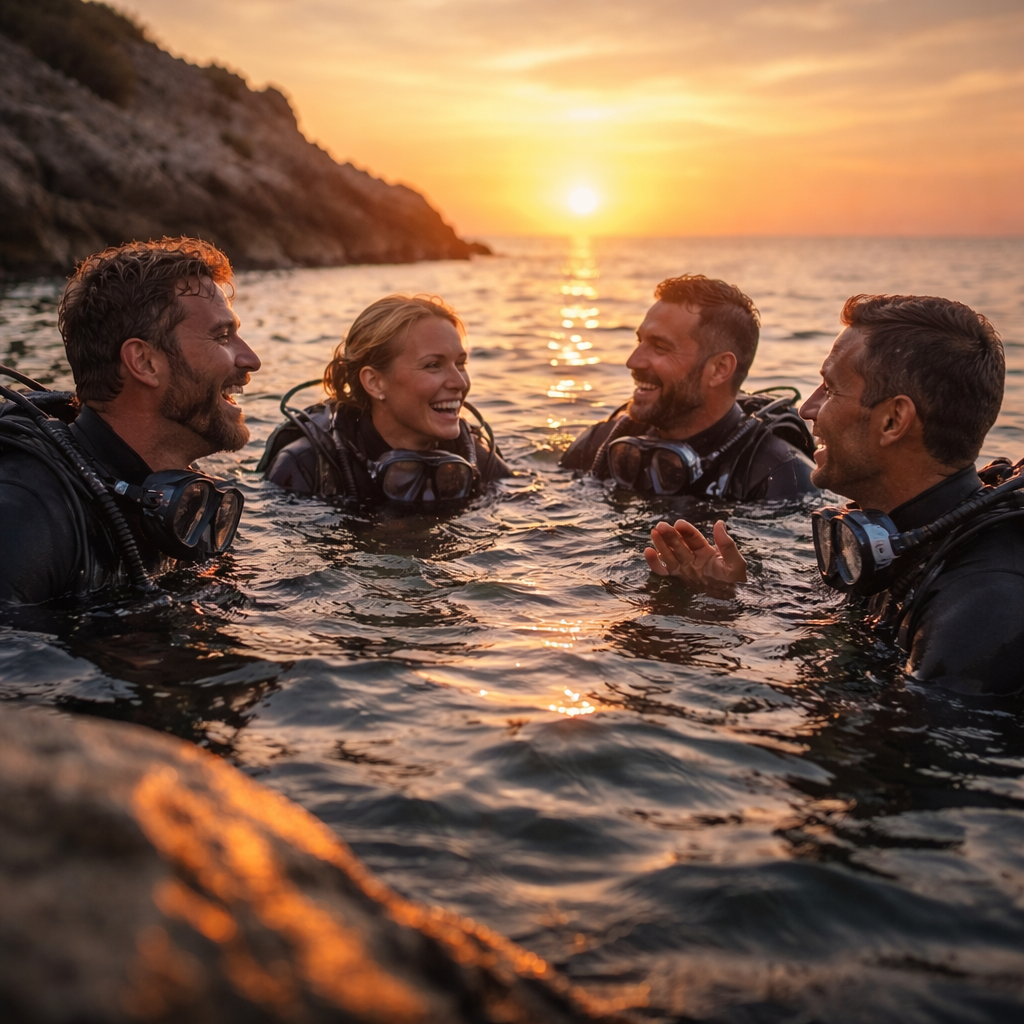
When experience changes perception and every dive becomes a way of reading the environment
The first time you descend on a new dive site, you might think that an experienced diver is immediately looking for the “spectacular”: the iconic wreck, the large shoal of fish, the dramatic wall.
In reality, the opposite is true.
After years underwater, what stands out first is not what appears, but what feels different, what seems out of place, or what is missing altogether.
Every dive especially on a site never visited before begins the same way: a few seconds of stillness, stable buoyancy, slow and controlled breathing. That is when the environment starts to speak.
An experienced diver notices the light before anything else.
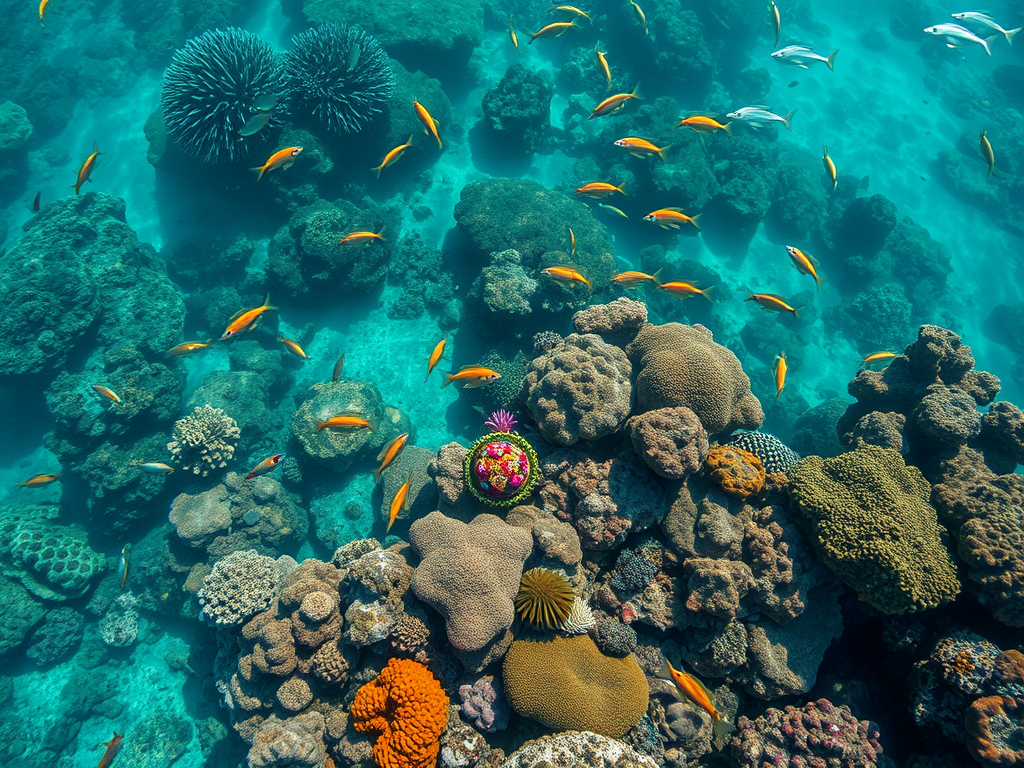
Its angle, intensity, and diffusion through the water reveal more than any depth reading. Milky light suggests suspended sediment, perhaps stirred by recent currents or human activity. Clear, sharp light often indicates stable water conditions and, more often than not, a balanced ecosystem.
Next comes the perception of water movement.
No instruments are needed just observation. The way algae sway, how soft corals bend, or how the body is subtly carried sideways. Currents are not only a technical factor; they are ecological signals. They transport nutrients, oxygen, and plankton. Where water moves well, life tends to be more complex and resilient.
Then there is sound.
Anyone who has spent enough time underwater recognises it: the sea sounds different when it is “alive”. The faint crackling of crustaceans, the distant rumble of waves breaking on submerged rock, or sometimes an almost total silence. Two sites that look similar can feel entirely different through sound alone.
Only after this does attention shift to marine life, but not in the way a beginner might expect.
The experienced diver does not search for rare species first he observes behaviour.
Are fish calm or alert? Do they occupy the water column or stay close to the bottom? Are predators present or noticeably absent? Often, absence tells a more important story than presence.
With time, this process becomes instinctive. Each new site is unconsciously compared to dozens already experienced. That is why an experienced diver can return to the same location repeatedly without ever becoming bored: the site changes, and the diver has learned how to notice it.
This awareness does not come by chance.
It develops through slow diving, refined buoyancy, controlled breathing, and constant attention to the surroundings. These are precisely the skills cultivated in Underwater Academy’s advanced diving and environmental specialisation courses, where the goal is not to “do more”, but to understand better.
Ultimately, what truly defines an experienced diver is not depth or logbook numbers.
It is the ability to surface with a clear sensation: the feeling of having read the sea, not merely passed through it.
And that feeling dive after dive never fades.
Would you like to learn how to observe the sea with a deeper awareness?
Discover the scuba diving and environmental specialisation courses at Underwater Academy and turn every dive into a conscious experience.


- PADI Project AWARE Specialist – Protect aquatic environments

- PADI EFR CARE FOR CHILDREN

- PADI Discover Scuba Diver


| YouTube | facebook | instagram | WhatsApp or telegram group |