The Sea Does Not Need Heroes, but Conscious Observers
|| ScubaLiveTV || Insights || Actuality || Interviews || TV Web || History || Scuba Diving || Freediving || Video collection || Nature and Environment || Collaborate with us ||
Stay up to date on our activities Subscribe to our Newsletter
The Sea Does Not Need Heroes, but Conscious Observers
Protecting the ocean does not mean saving it through grand gestures, but learning how to observe it, understand it, and respect it every day.
In recent years, the sea has become the stage for heroic narratives: extreme expeditions, records, and extraordinary achievements presented as acts of salvation. Yet the truth is simpler—and perhaps more uncomfortable: the sea does not need heroes. It needs conscious observers.
The ocean has existed for millions of years without us. It has survived extinctions, climate shifts, and profound transformations. Today it is not fragile because it is weak, but because it is under constant human pressure—often unintentional. And this is where the real issue lies: not in a lack of good intentions, but in a lack of deep understanding.
The illusion of environmental heroism
Environmental heroism is often an emotional shortcut. It makes us feel active, involved, on the “right side”. But it also risks oversimplifying a complex reality. The sea is not protected by isolated actions or slogans, but by consistent behaviour, informed choices, and long-term awareness.
Being a conscious observer means stepping away from the need to be the protagonist. It means accepting that our role is not to “save” the ocean, but to avoid harming it, to reduce interference, and to respect balances we do not fully control.
Observation as an active practice
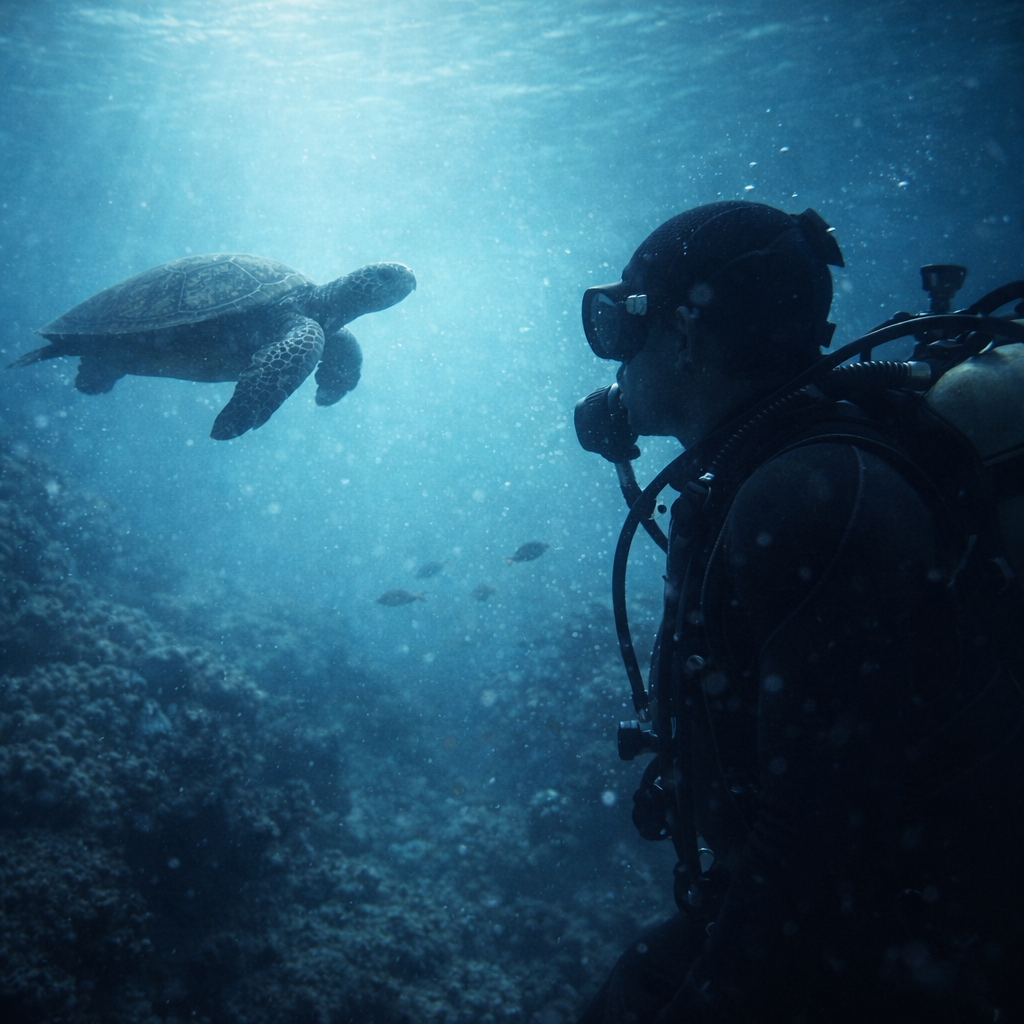
Observation is not passivity. It is a deeply active process that requires time, attention, and education. Underwater, this becomes immediately clear. Anyone who practises scuba diving or freediving knows that the sea reveals itself only to those who slow down.
In the scuba diving and freediving courses at Underwater Academy, observation is an essential part of training:
- observing the seabed without touching it
- recognising natural animal behaviour
- adapting movement to the environment
- understanding when it is time to move away
This is not performance. It is respect.
The sea is not a backdrop
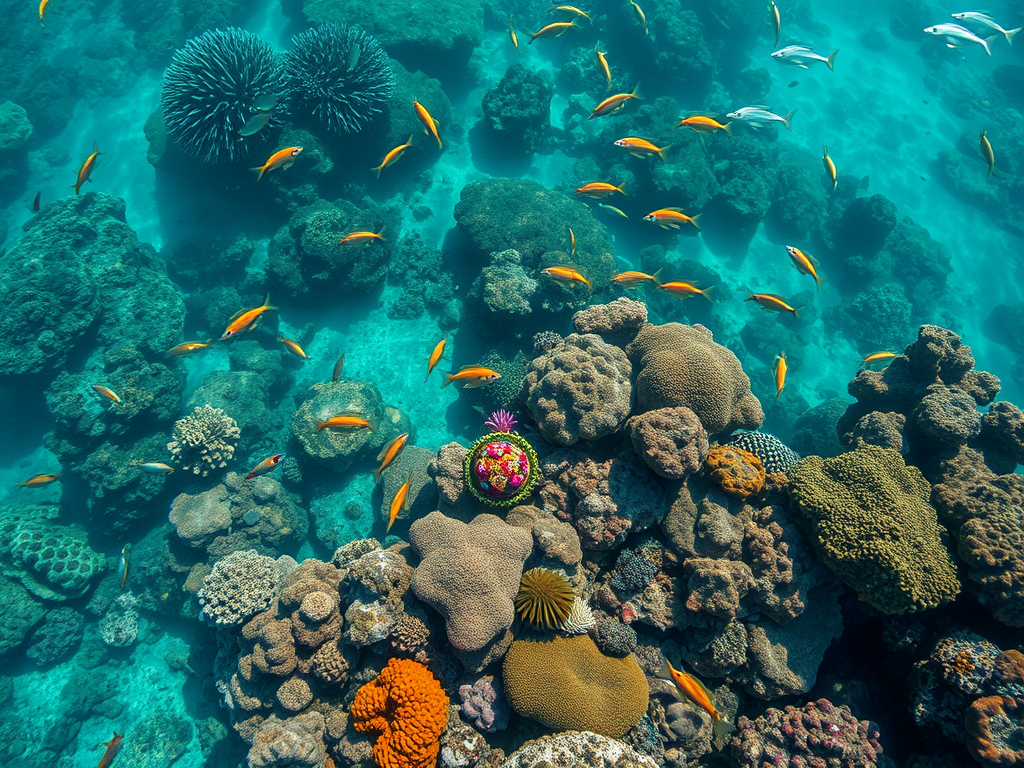
One of the most common mistakes is treating the marine environment as a backdrop for our activities: dives, photos, videos, experiences. In reality, we are entering a space that is already alive, complex, and interconnected.
Every action has an impact: an uncontrolled fin kick, accidental contact, excessive curiosity. Being a conscious observer means reducing our footprint, not increasing our presence.
This approach is equally important in the mermaid world, where aesthetics and storytelling can sometimes overshadow the environment. When practised with awareness, the body becomes a language that adapts—never one that imposes.
Knowledge before protection
You cannot protect what you do not understand. Environmental awareness is built on knowledge, not momentary emotion. Understanding how ecosystems function, identifying real threats, and recognising which behaviours truly matter.
Projects such as the Green Sea World Project by Underwater Academy are based on this principle: educate before acting, observe before intervening, and train before declaring intent.
A quiet but necessary change
The sea does not ask for applause. It does not seek spectacular achievements. It asks for silent presence, consistent respect, and attentive observation.
Perhaps the real environmental revolution is not doing more, but doing better. Not being heroes, but witnesses. Not conquering, but understanding.
The sea does not need us to exist.
But it does need us to learn our place within it.
Discover how to approach the sea with respect and awareness by joining the courses and environmental projects promoted by Underwater Academy.
- PADI Project AWARE Specialist – Protect aquatic environments

- PADI EFR CARE FOR CHILDREN

- PADI Discover Scuba Diver


| YouTube | facebook | instagram | WhatsApp or telegram group |